
Latest News
Why Luxury Brands Keep Opening Cafés
Share

Luxury brands would very much like to know what you are having with your handbag.
Coffee, apparently, is a popular answer.
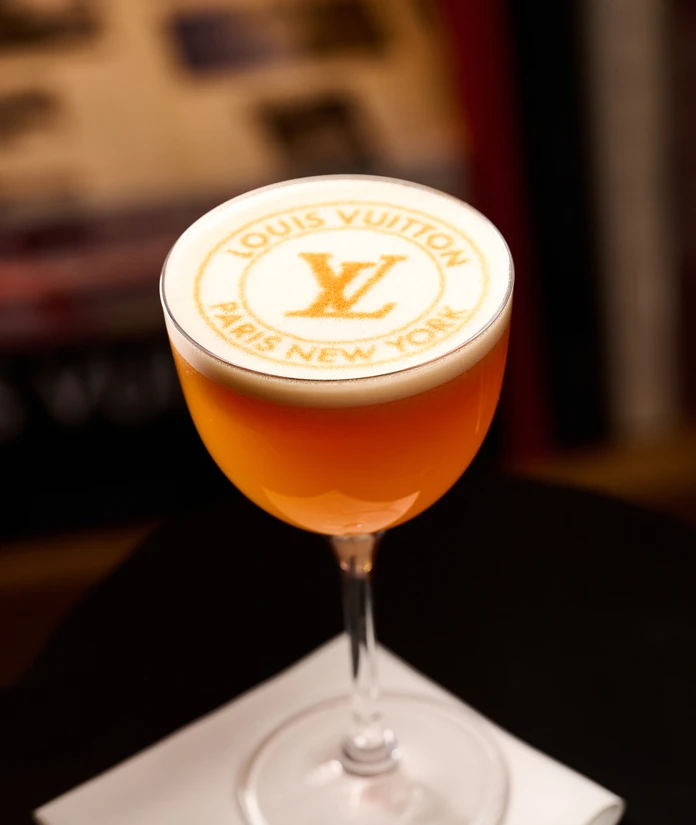
Ralph Lauren currently operates Ralph’s Coffee locations across North America, Europe and Asia. Louis Vuitton’s temporary 57th Street store in New York includes its first U.S. library café, alongside a chocolate shop. Its 2026 Sanlitun Maison in Beijing includes the first Café Louis Vuitton in the city.
Dior has gone further than pastries. At 30 Montaigne in Paris, Monsieur Dior, Le Jardin and the Café make lunch, afternoon tea and dessert part of the Dior experience. Monsieur Dior received a Michelin star in 2026.
And Armani has been at this for decades. The company says it entered the restaurant world in 1998 and has since opened more than twenty venues, many next to boutiques or inside hotels.
The branded-hospitality boom can look like a side quest. It makes more sense when you think of it as architecture for the brand.
The Café Is a Smaller Door Into a Bigger World
A boutique is built around products. A café can be built around time.
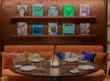
You sit down. You notice the furniture, the lighting, the china, the music, the menu and the service. Done well, all of it can carry the same codes as the clothes or bags without requiring the customer to make a four-figure purchase.
The brands themselves are unusually explicit about this.
LVMH says Dior’s three culinary spaces at 30 Montaigne were conceived as a way to extend the Dior universe through a culinary experience. Armani says its restaurant network is meant to enrich the customer experience and express the Armani lifestyle. Ralph Lauren describes Ralph’s Coffee as a place to gather, built around the memory and ritual of coffee.
Louis Vuitton’s New York café is paired with a library and chocolate shop. In Beijing, the café sits inside a four-level Maison combining fashion, accessories, private client spaces and architecture.
That is the larger idea. The coffee is real. So is the croissant. But the thing being rehearsed around them is the brand world.
There is also a practical reason this strategy feels especially current. McKinsey’s 2026 research on luxury clients in the U.S. and China found that travel ranked ahead of luxury product categories for additional discretionary spending, while U.S. clients showed particular interest in lifestyle experiences including travel and well-being.
A café gives a fashion house an experience it can shape down to the cup.
What it does not automatically give the brand is a profitable restaurant business. The public pages for these concepts do not disclose unit economics, conversion rates or how many café visitors later become fashion customers.
That distinction matters because branded hospitality can be useful to the brand without functioning like a new handbag category.
Sometimes its job is simpler: make the house feel like somewhere you can enter, not just something you can buy.
Luxury spent decades teaching customers to recognize a world from a logo.
Now some of its biggest names are asking whether you would like a table in it.
Hero image: Louis Vuitton