

Luxury Cars Win at 90 Days. The Three-Year Data Goes the Other Way.

Share

The premium badge is supposed to buy less friction. For the first few months, it mostly does.
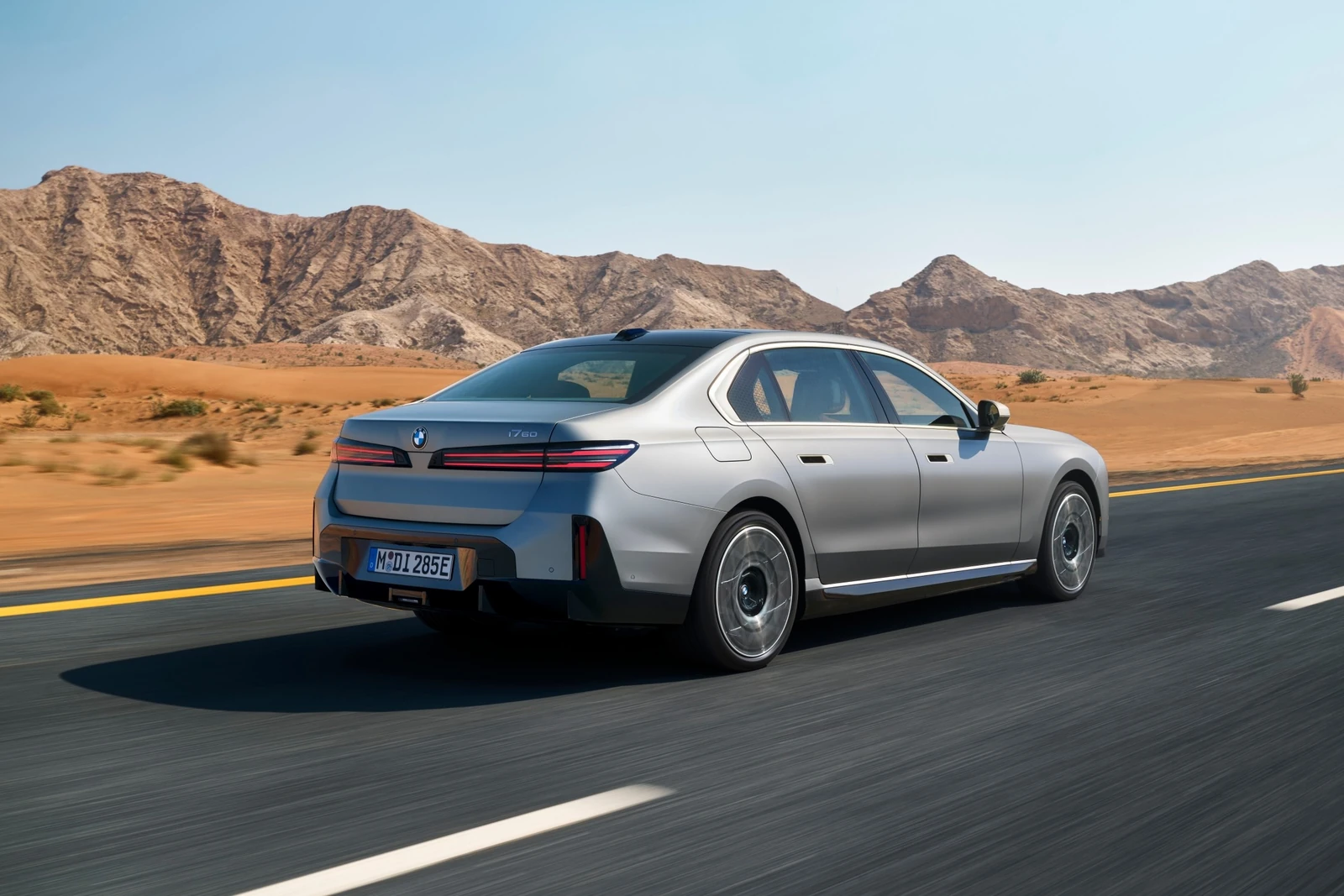
J.D. Power’s 2026 U.S. Initial Quality Study found that premium brands averaged 169 problems per 100 vehicles during the first 90 days of ownership, compared with 177 for mass-market brands. Lower is better. Even infotainment favored premium cars: 38.3 problems per 100 vehicles versus 44.4 for mass-market models.
Then the clock moves forward.
In J.D. Power’s 2026 Vehicle Dependability Study, which looks at 2023-model-year vehicles after three years of ownership, the premium segment averaged 217 problems per 100 vehicles. Mass market averaged 200.
Premium also underperformed mass market in seven of the study’s nine categories. In features, controls and displays, the gap was 5.8 problems per 100 vehicles in favor of mass-market cars. Infotainment was the single biggest problem category across the industry.
That does not mean every luxury car is less dependable. Lexus ranked highest overall in the dependability study. And the two studies are not a literal before-and-after test of the same cars: they cover different model years and different owners.
But together they expose a useful question. What happens when premium increasingly means more software, more screens, more connected features and more electronic systems that all have to keep working together?
J.D. Power’s research points toward complexity as part of the issue. Its Initial Quality Study says added technology works best when controls remain simple and software behaves the way owners expect. Its dependability research found that phone integration, wireless charging, automaker apps and other connected features remain major sources of complaints after several years.
There is another wrinkle. The 2026 APEAL Study, which measures how owners feel about new vehicles after roughly 90 days, says premium brands no longer hold a clear advantage in several areas that once helped make a car feel expensive, including infotainment, driver-assistance systems, headlight performance and even door-closing sound.
That makes the old premium moat narrower. The challenge is no longer merely adding features. It is making more technology feel like less work.
The data does not say luxury cars suddenly became bad. It suggests the definition of premium is getting harder. Adding technology is easy. Making a more complicated car feel simpler to own for years is the expensive part.
Luxury used to mean more. In a software-heavy car, it may increasingly mean making all that more disappear.
Hero image: Rolls-Royce Motor Cars PressClub.