
Abu Dhabi Built the Museums. Now Christie’s Is Testing the Market.

Share

For years, Abu Dhabi’s art ambitions were easiest to see in buildings.
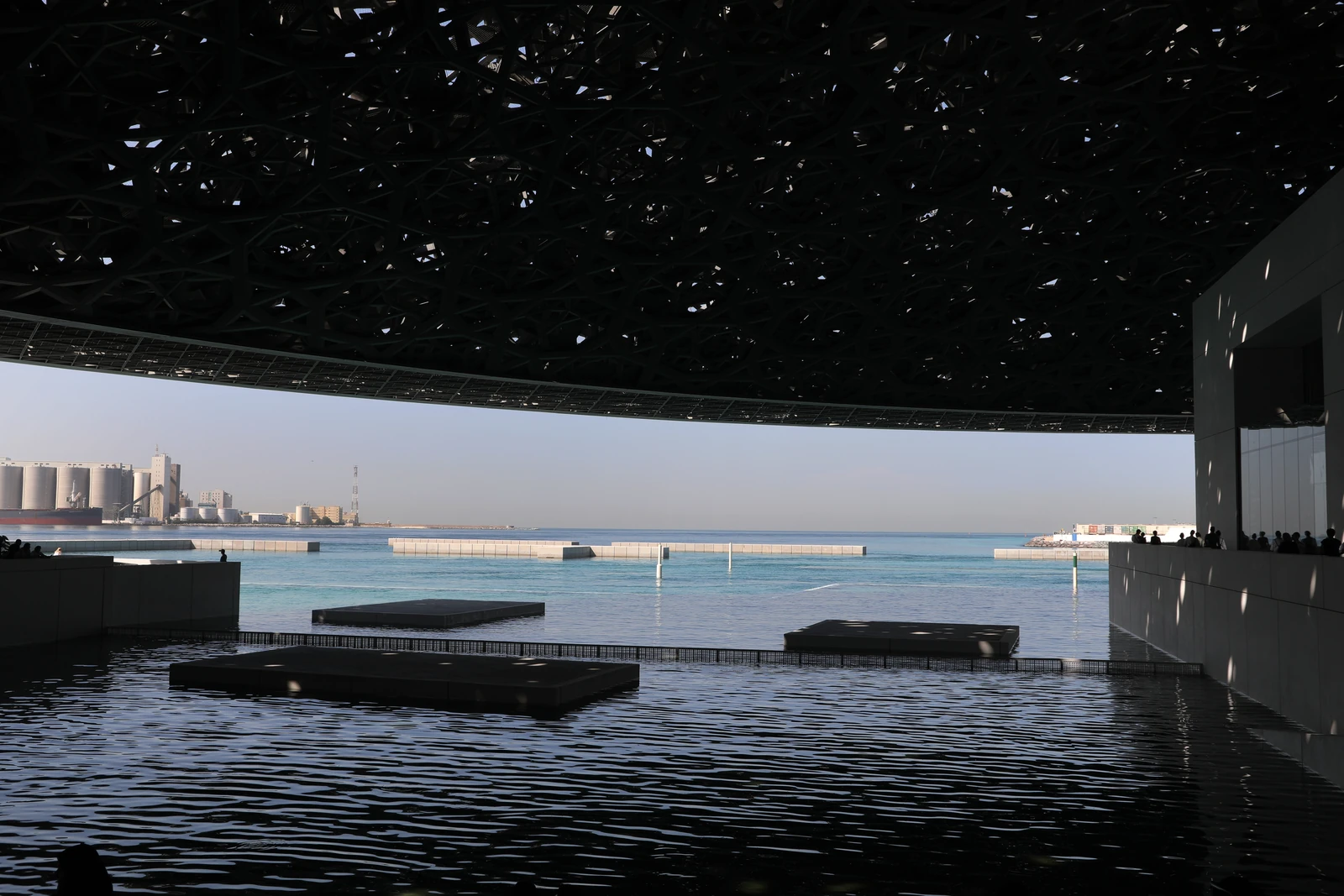
Louvre Abu Dhabi gave the city a museum with global reach. Saadiyat Cultural District kept filling in around it. Abu Dhabi Art became an annual meeting point for galleries, collectors and institutions. The language of ambition was architecture, exhibitions and opening dates.

This fall, something less photogenic may matter more.
On November 1, Christie’s will hold Mawasim: 20 Years of Modern and Contemporary Middle Eastern Art at The Abu Dhabi EDITION. It will be the auction house’s first fine-art sale in Abu Dhabi.
An auction asks something different of a city than a museum does. It needs owners willing to consign, buyers willing to bid and enough confidence on both sides to put public numbers around valuable objects.
That is why this “first” is worth watching.
Christie’s Adds the Auction Room
Christie’s says Mawasim will bring together more than 70 works spanning over six decades of Modern and Contemporary Middle Eastern art. The selection includes works from the Dalloul Collection in Beirut and the Barjeel Art Foundation in Sharjah, alongside artists from across the Middle East and North Africa.
The sale also closes a neat historical loop. Christie’s held its first UAE auction in Dubai in 2006, becoming the first international auction house to hold a sale in the region. Twenty years later, it is taking the category to Abu Dhabi for the first time.
Dubai remains central to Christie’s Middle East business. Abu Dhabi has built a different kind of cultural identity around museums, institutions and long-term public investment.
Now those histories are beginning to overlap.
A museum gives art cultural weight. A fair brings galleries and collectors into the same place. An auction makes the buying and selling unusually visible.
Abu Dhabi has spent years building the first two conditions. November offers a clearer look at the third.
This Did Not Start With Frieze
The timing almost begs for a tidy explanation.
Christie’s arrives on November 1. Later that month, Abu Dhabi Art becomes Frieze Abu Dhabi, Frieze’s first fair in the West Asia, North Africa and South Asia region. 84 galleries will participate at Manarat Al Saadiyat.
The obvious story would be that Frieze came, so Christie’s followed.
That is not what the evidence says.
In an interview with The National, Christie’s Middle East and Africa chairman Ridha Moumni said the Abu Dhabi auction had been in preparation for more than a year and that the decision came before Christie’s knew Frieze was arriving.
The more useful timeline begins much earlier.
Abu Dhabi Art launched in 2009 with 42 galleries. By its final edition under that name in 2025, it had grown to 142. In 2026, that platform is being folded into Frieze’s global network.
The Frieze name adds international recognition. It did not create the city’s art audience from scratch.
Abu Dhabi Built the Audience Before the Auction
Luxury and culture are very good at declaring arrival.
A new museum opens. A global brand plants a flag. A celebrity architect finishes a building. The photographs make the point instantly.
A market is slower to photograph.
You see it in behavior: collectors bidding, owners consigning, galleries returning, specialists building careers around a place, and institutions making unfamiliar artists easier for buyers to understand.
Auctions make some of that behavior public.
There are estimates before the sale. There are bids in the room and online. Works sell above expectations, inside them or not at all. Consignors decide whether this is where they want to bring important material. Buyers decide whether this is where they want to compete for it.
That asks more of Abu Dhabi than simply attracting people to a cultural event. The city has already shown it can do that.
The question now is whether enough of those people keep doing business there.
Christie’s Is Bringing a Network With It
Mawasim is not being assembled as a purely local sale.
Highlights are traveling through Christie’s in New York, Paris and London before arriving in Abu Dhabi. The works come from artists and collections across the region. Christie’s itself is drawing on a Middle East operation that has existed for two decades.
That matters because new art centers do not need old ones to disappear.
Abu Dhabi does not have to replace London to become more important. It does not have to make Dubai irrelevant either.
The more plausible shift is additive: another city becomes useful enough, credible enough and connected enough that serious transactions happen there with increasing regularity.
That is a more meaningful standard than a packed opening party.
What November Can Actually Tell Us
The easiest post-auction story will be the biggest number.
The more revealing questions are broader.
How much of the sale sells? How do results compare with estimates? What does Christie’s disclose about where bidders come from? Do buyers compete across price levels, or does attention cluster around a handful of headline works? What kind of material are owners willing to consign next?
Most important: what happens after November 1?
Moumni has said Christie’s intends to be more present in Abu Dhabi, while also making clear that future auctions will depend on this edition’s results and the firm’s international calendar.
That uncertainty belongs in the story.
The first sale is not a verdict. It is a new, highly visible test.
Frieze Abu Dhabi deserves the same restraint. A global fair can concentrate attention and make it easier for international galleries to meet regional collectors. What matters afterward is whether those relationships survive the week.
The Harder Test Is Repetition
Abu Dhabi has spent years accumulating the things that make a cultural capital visible: museums, exhibitions, collections, institutions and international names.
Late 2026 adds a different kind of evidence.
Christie’s brings an auction room. Frieze brings a global fair network. The existing institutions give both events a city that already has an art audience rather than a blank stage.
Together, those pieces make Abu Dhabi look more complete.
Not finished. More complete.
A prestige event can be imported. A market becomes durable when people return without needing the novelty of a first.
If buyers, sellers, galleries and specialists keep coming back, November 2026 may eventually look like an inflection point.
If they do not, Abu Dhabi will still have formidable cultural infrastructure. It will simply have learned that cultural importance and a repeatable market are different achievements.
The city has already proved it can build the room.
Now the harder question is whether people keep coming back to do business in it.
Christie’s Auction Rooms, 1808, Thomas Rowlandson and Augustus Charles Pugin. The Metropolitan Museum of Art / Wikimedia Commons, CC0. Source
